Top Tips for Seasonal Plant Care in Canadian Offices

Understanding Seasonal Changes
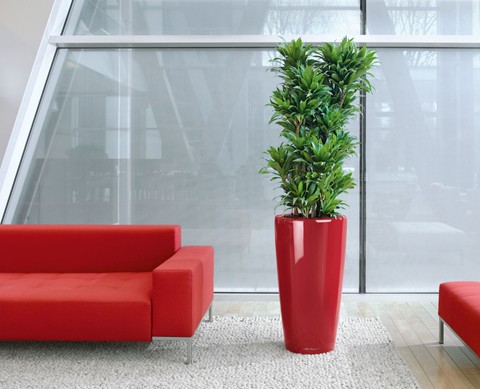
As the seasons change, so do the needs of the plants in your office. Understanding how different seasons affect plant growth can help you keep them thriving year-round. Light, temperature, and humidity are key factors that fluctuate with the seasons, and each has a unique impact on your plants.
During the winter months, daylight hours decrease, meaning your plants receive less natural light. This can slow down their growth and may require you to move them closer to windows or consider supplemental lighting.

Adapting Care for Winter
In Canadian winters, heating can create a dry environment, which is not ideal for most indoor plants. Consider using a humidifier to maintain a balanced humidity level. Additionally, be cautious with watering. Overwatering is a common issue during the colder months, as plants require less water due to reduced growth.
It's also wise to check for drafts near windows or doors. Cold drafts can stress plants, so reposition them if necessary to avoid sudden temperature changes.
Spring Revival
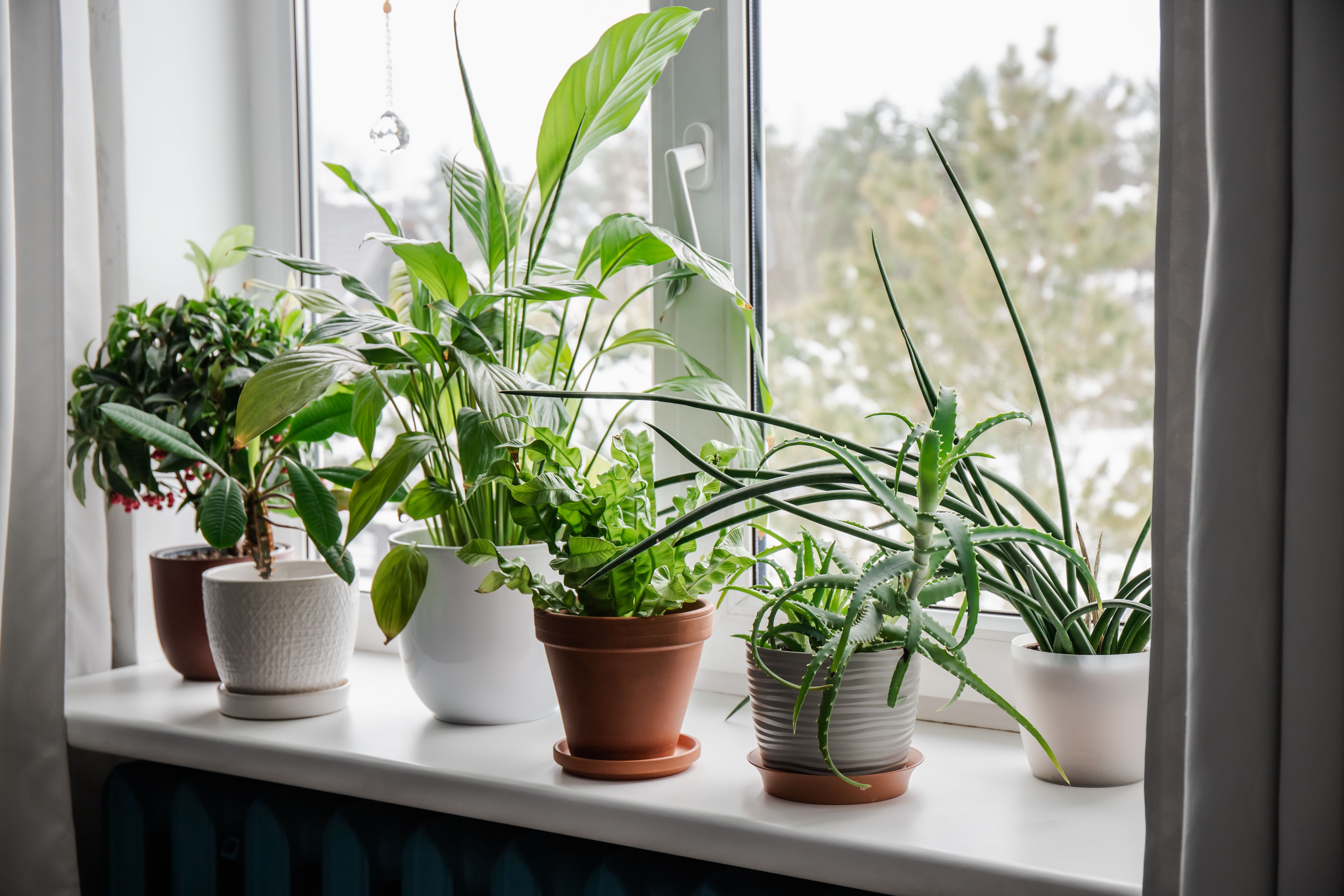
As spring approaches, your plants will begin to show signs of new growth. This is an excellent time to start fertilizing. Use a balanced fertilizer to provide essential nutrients and stimulate healthy development. Repotting is also beneficial in spring, giving roots more space to grow.
Increased daylight will support more vigorous growth, so gradually increase watering. Monitor your plants closely and adjust care as needed to meet their new requirements.
Summer Maintenance
Summer brings longer days and more intense sunlight, which can be both a blessing and a challenge for office plants. Ensure they are not exposed to direct sunlight for extended periods, as this can cause leaf burn. Instead, provide indirect light to keep your plants happy.
With warmer temperatures, your plants may need more frequent watering. However, always check the soil moisture before watering to avoid overwatering.
Autumn Adjustments
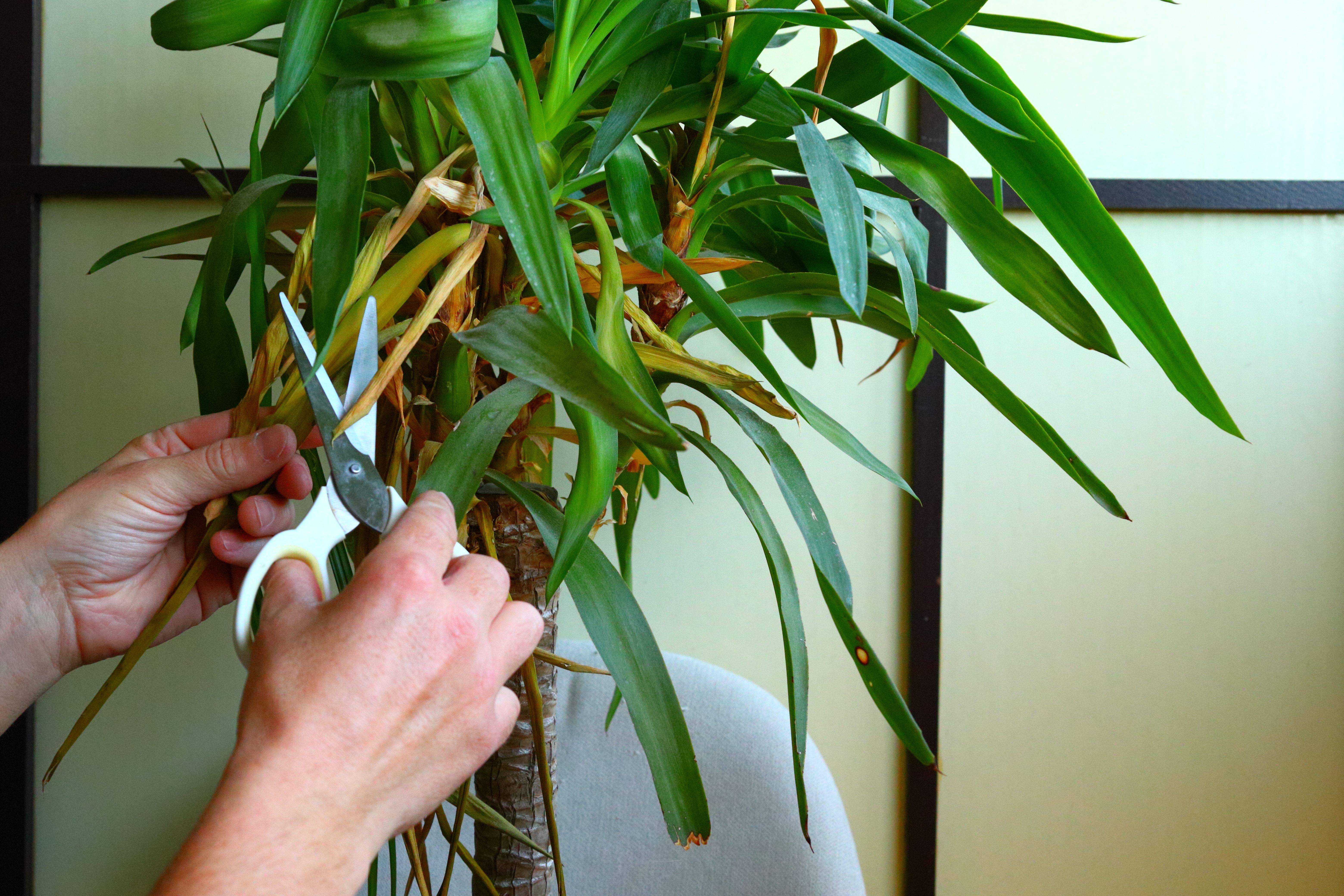
As daylight decreases in autumn, begin to reduce watering and prepare your plants for the upcoming winter. This is also a good time to trim any dead or yellowing leaves, promoting a healthier appearance and preventing disease.
Autumn is a transitional period, so gradually adjust your care routine to help plants acclimate to changing conditions. This proactive approach will set them up for success during the colder months.

General Tips for Year-Round Care
Regardless of the season, some general care tips apply throughout the year. Regularly dust the leaves to ensure they can photosynthesize effectively. Keep an eye out for pests, and address any infestations promptly to prevent damage.
Remember, every plant is unique. Pay attention to their individual needs and adjust your care routine accordingly. A little attention goes a long way in keeping your office plants healthy and vibrant all year round.