The Ultimate Guide to Office Plant Maintenance in Toronto


Introduction to Office Plant Maintenance
Office plants are a fantastic way to enhance the aesthetic and atmosphere of a workspace. In Toronto, with its unique climate and urban environment, maintaining these plants can be both rewarding and challenging. This guide will walk you through essential tips and tricks for keeping your office greenery thriving.

Choosing the Right Plants
Selecting the appropriate plants for your office environment is crucial. Consider factors such as lighting, temperature, and space. Some popular choices for Toronto offices include snake plants, pothos, and peace lilies, known for their resilience and low maintenance needs.
Understanding Light Requirements
Toronto's varying daylight throughout the year means you must choose plants that can adapt to these changes. For offices with limited natural light, opt for low-light tolerant species. If your office is flooded with sunlight, plants like succulents and cacti can be ideal.

Watering and Humidity
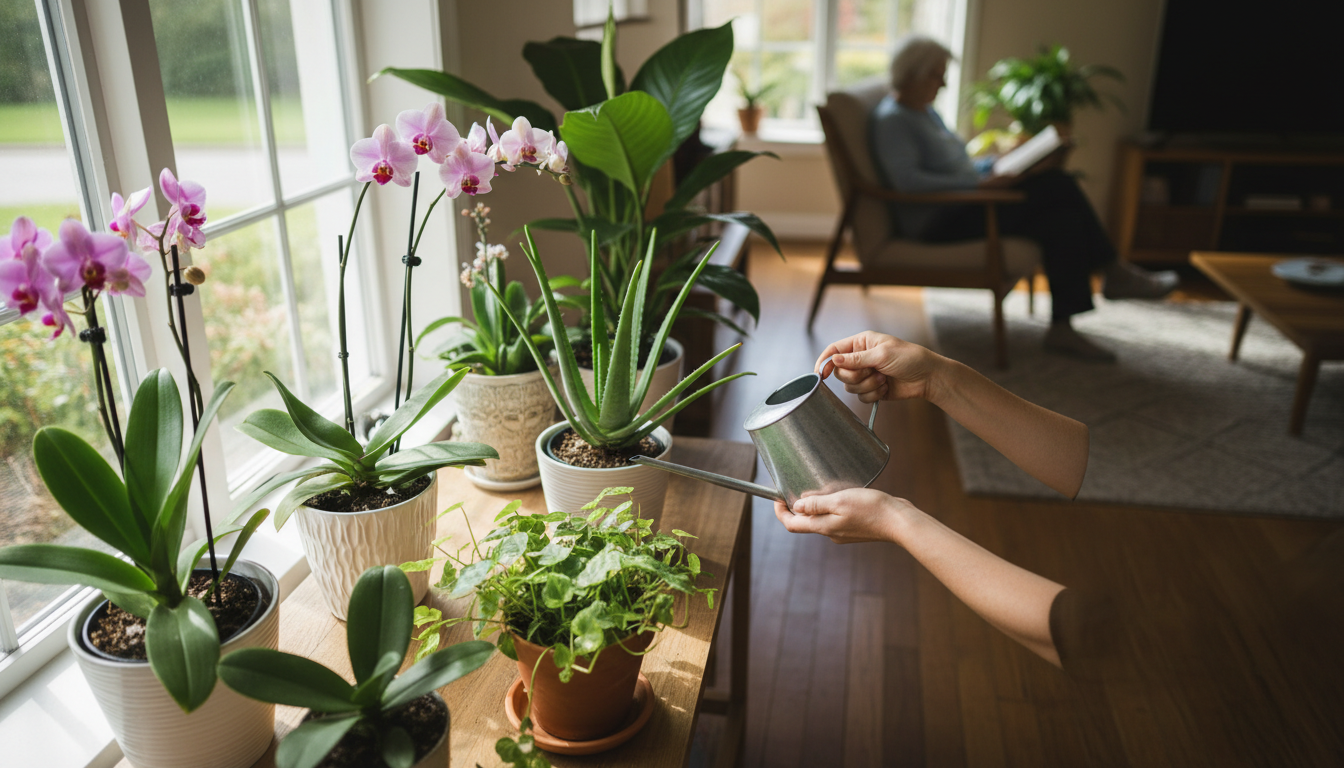
Proper watering is vital for plant health. Overwatering is a common mistake, so always check the soil moisture before watering. Toronto's winters can be dry, so consider adding a humidifier to maintain optimal humidity levels for your plants.
Watering Schedule
Establish a consistent watering schedule that aligns with the specific needs of your plants. Typically, most office plants prefer their soil to dry out slightly between waterings. Keep a keen eye on the soil and adjust based on seasonal changes.
Soil and Potting Tips
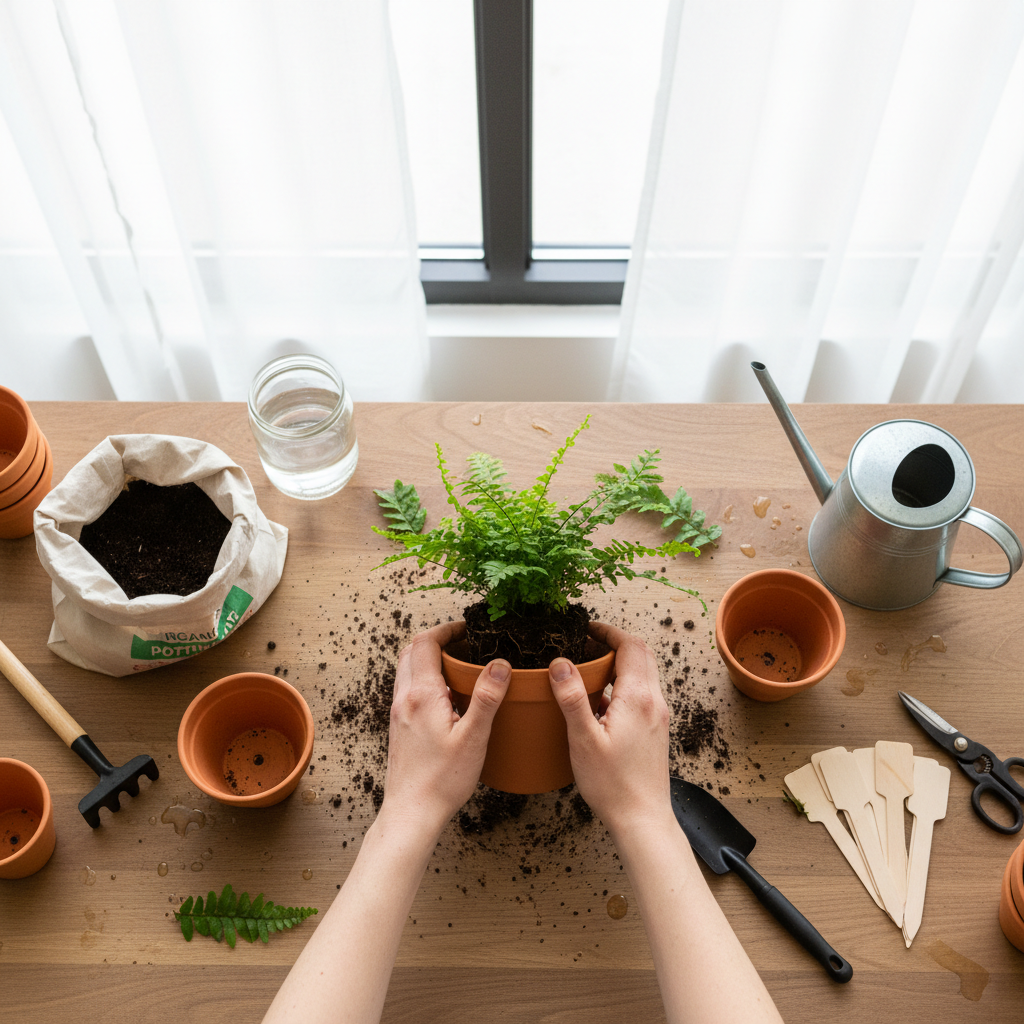
Choosing the right soil and pots is another crucial aspect of plant care. Ensure your pots have adequate drainage holes to prevent root rot. Use a high-quality potting mix suited to your plant's needs, whether it be well-draining soil for succulents or moisture-retaining soil for tropical plants.
Repotting and Soil Refresh
Over time, plants may outgrow their pots or deplete the soil's nutrients. Plan to repot every 1-2 years or when you notice roots growing out of the drainage holes. Refresh the soil to provide essential nutrients for continued growth.
Pest Control and Plant Health
Maintaining plant health also involves monitoring for pests. Common office plant pests include spider mites and aphids. Regularly inspect your plants and use natural pest control methods, like neem oil, to keep infestations at bay.
Signs of Plant Stress
Recognize signs of stress such as yellowing leaves or stunted growth. These can indicate issues with watering, lighting, or pests. Addressing these signs early can prevent further damage and ensure your plants remain vibrant.
Conclusion
Office plant maintenance in Toronto requires attention to detail and a willingness to adapt to the city's unique climate conditions. By choosing the right plants, understanding their needs, and maintaining a regular care routine, you can enjoy a lush, green workspace all year round.