The Ultimate Guide to Indoor Plant Maintenance for Business Owners

Transform Your Workspace with Indoor Plants
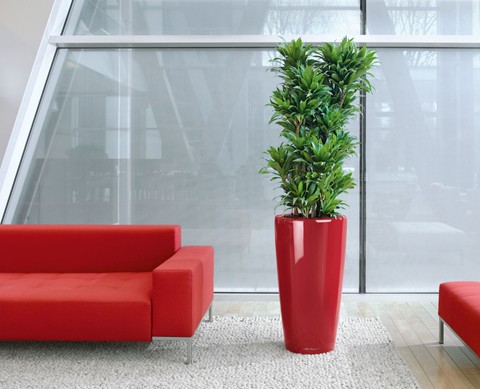
Indoor plants have become a staple in modern office decor, offering both aesthetic and health benefits. They not only enhance the visual appeal of a workspace but also improve air quality and boost employee morale. However, maintaining these green beauties requires some knowledge and effort. As a business owner, understanding the basics of indoor plant care can ensure your plants thrive and continue to benefit your workspace.

Choosing the Right Plants for Your Space
Before diving into plant maintenance, it's crucial to select the right plants for your business environment. Consider factors like light availability, space constraints, and the level of maintenance you can commit to. Popular low-maintenance options include snake plants, pothos, and ZZ plants. These hardy plants can thrive in various lighting conditions and require minimal care.
Understanding Light Requirements
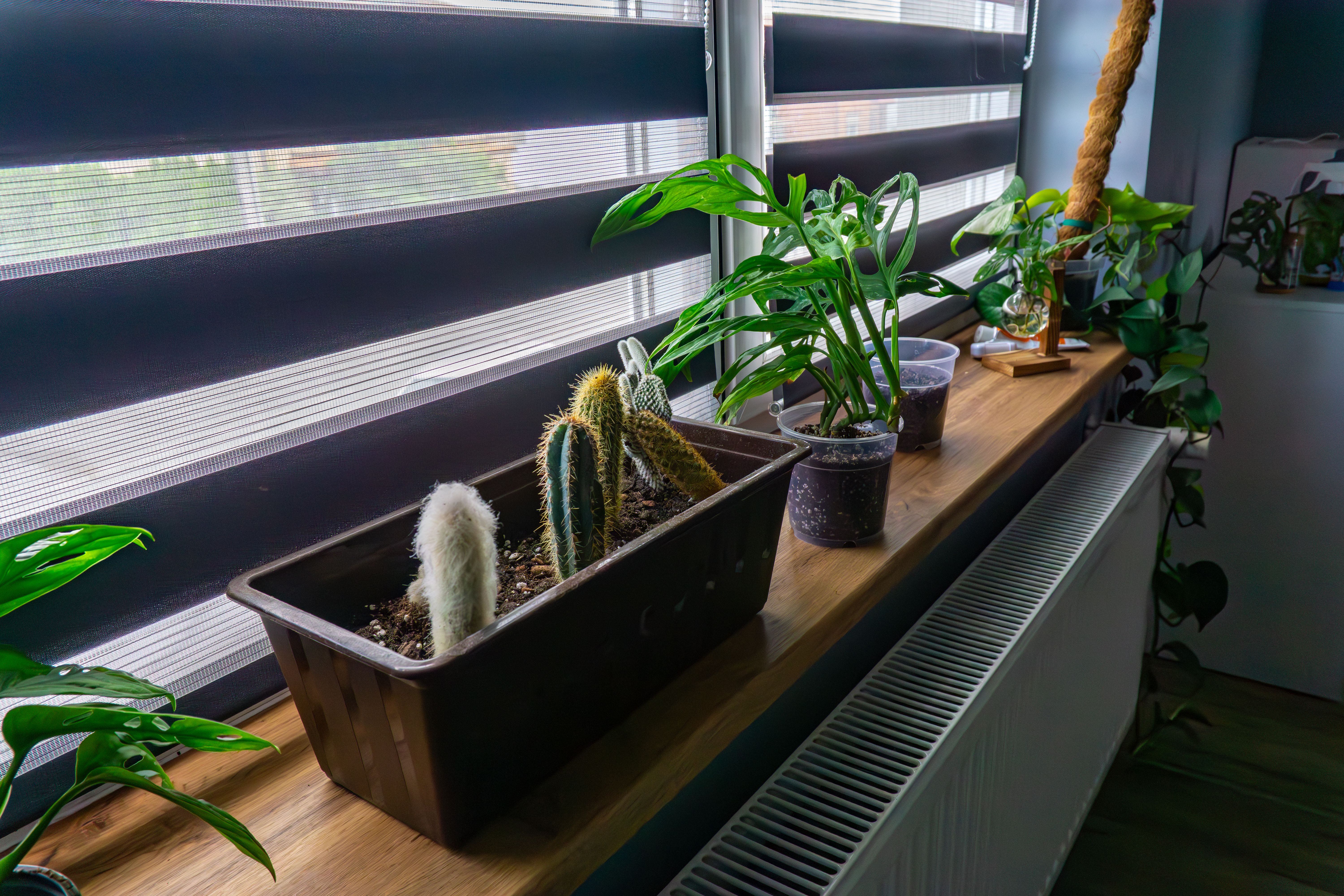
Light is a critical factor in plant health. Most indoor plants prefer bright, indirect light. Position them near windows, but avoid direct sunlight, which can scorch the leaves. If your office lacks natural light, consider using LED grow lights as a supplement. Regularly rotate your plants to ensure all sides receive equal exposure to light.
Watering Wisely
Overwatering is a common mistake that can lead to root rot. Different plants have different watering needs, but a general rule is to let the soil dry out between waterings. Check the top inch of soil; if it's dry, it's time to water. Ensure pots have drainage holes to prevent water from accumulating. During winter, plants may require less water due to reduced growth.
Fertilizing for Growth
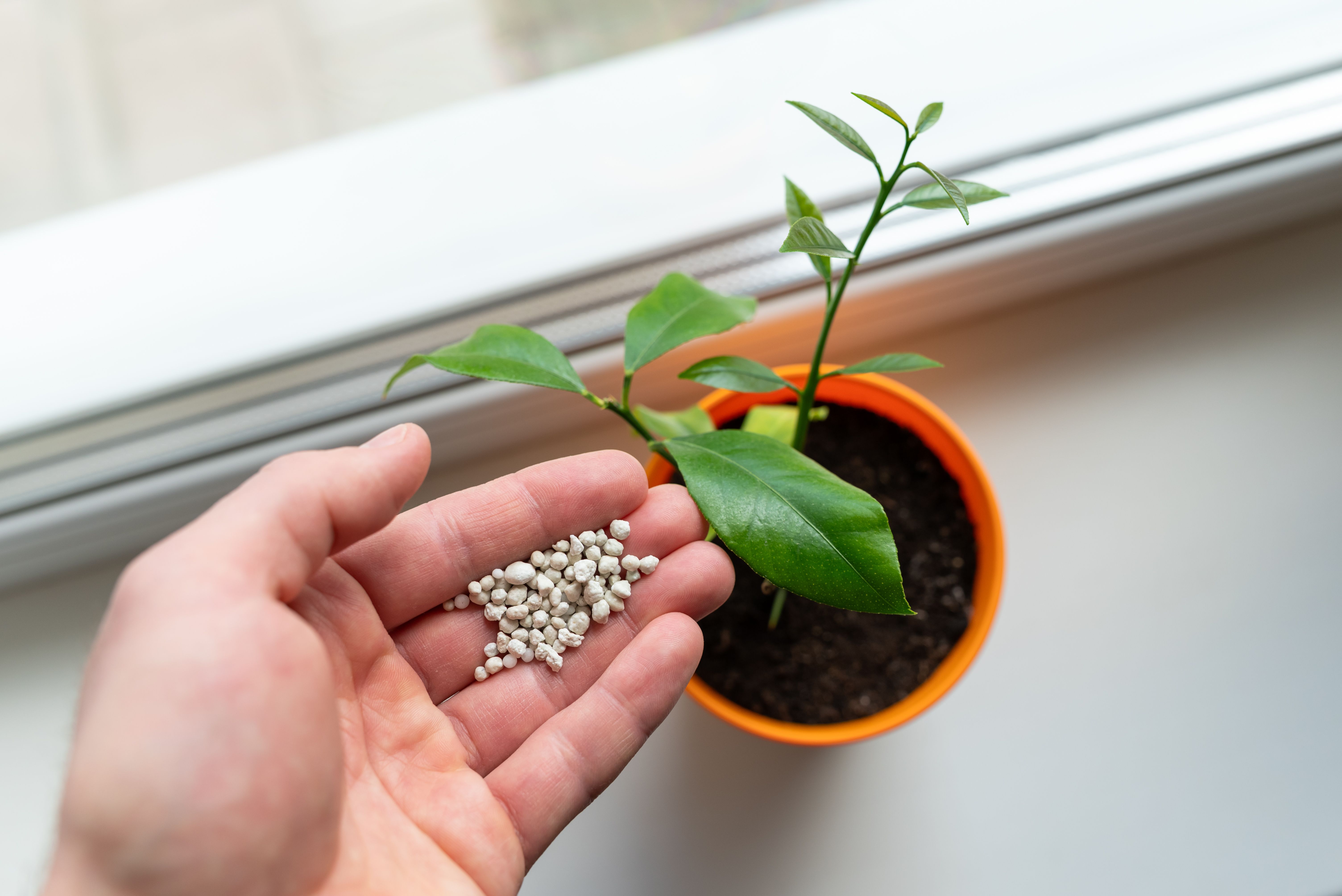
Fertilizers provide essential nutrients that support plant growth. Use a balanced, water-soluble fertilizer during the growing season, typically spring and summer. Be cautious not to over-fertilize, as this can harm the plant. Follow the instructions on the fertilizer package for the best results.
Pruning and Potting
Regular pruning helps maintain the shape and health of your plants. Remove dead or yellowing leaves and trim back any overgrown areas. This encourages new growth and helps prevent pest infestations. Additionally, repotting your plants every one to two years ensures they have enough space to grow and access fresh soil.
Dealing with Pests
Indoor plants can sometimes attract pests like aphids, spider mites, and fungus gnats. Early detection is key to preventing an infestation. Inspect your plants regularly and isolate any affected ones. Use neem oil or insecticidal soap as a natural remedy, and ensure your plants aren’t overwatered, as damp conditions attract pests.
Conclusion: Enjoying a Greener Workspace
By following these maintenance tips, you can create a thriving indoor plant environment that enhances your office's atmosphere. Not only will your plants look vibrant and healthy, but they'll also contribute to a more pleasant and productive workplace. Remember, the key to successful plant care is understanding each species' specific needs and adjusting your routine accordingly.