Self-Watering Planters vs. Traditional Pots: Which is Better?

Understanding Self-Watering Planters
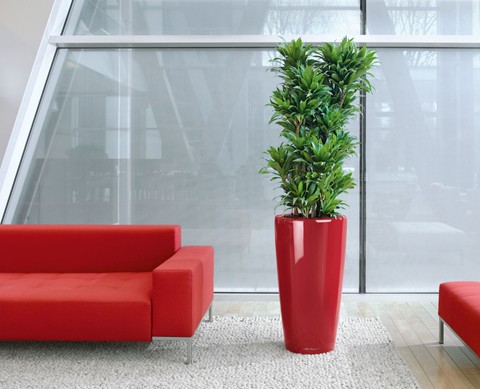
Self-watering planters have become increasingly popular among gardening enthusiasts. These innovative containers are designed to keep plants hydrated with minimal effort. A self-watering planter typically features a reservoir at the bottom, which supplies water to the plant’s roots through capillary action. This design ensures that the plant receives consistent moisture.
One of the main benefits of self-watering planters is the convenience they offer. Gardeners don’t need to water their plants as frequently, making them ideal for busy individuals or those who travel often. Additionally, these planters help prevent overwatering, a common issue that can lead to root rot.
Advantages of Traditional Pots
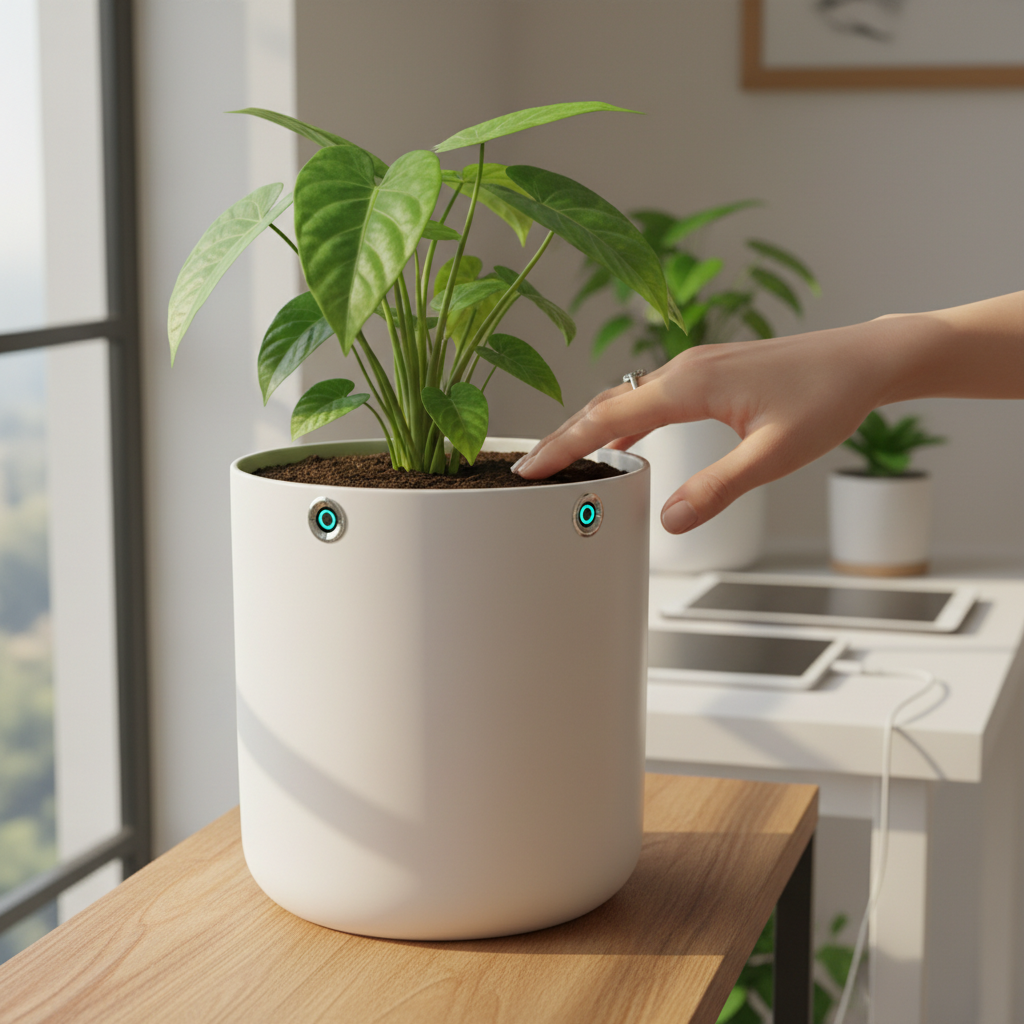
On the other hand, traditional pots have been a staple in gardening for centuries. They come in various materials such as clay, ceramic, and plastic, offering a wide range of aesthetic options. Traditional pots allow for more control over watering schedules, giving gardeners the flexibility to adjust based on the plant’s needs and environmental conditions.
Moreover, traditional pots are often more affordable and easier to find. They are versatile and can accommodate a variety of plant species, making them a popular choice for both novice and experienced gardeners.
Comparing Watering Needs
When it comes to watering, self-watering planters and traditional pots cater to different needs. Self-watering planters are ideal for plants that require consistent moisture, such as herbs and leafy greens. The reservoir system ensures the plant roots have a steady supply of water, reducing the need for frequent monitoring.
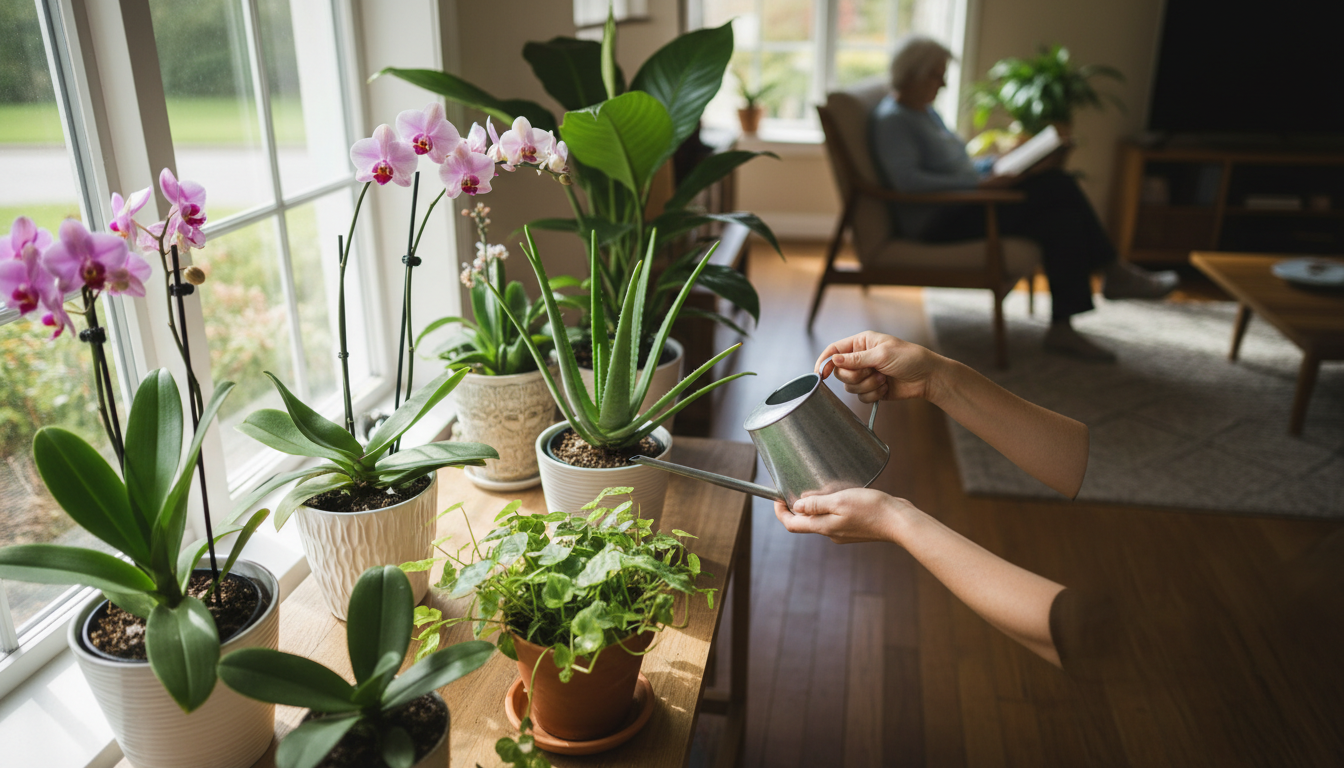
In contrast, traditional pots may require more attention, especially in hot or dry climates. Gardeners need to be vigilant about watering schedules to ensure plants do not dry out. However, this also allows for more control over the plant’s hydration, which can be beneficial for species that prefer drier conditions.
Maintenance and Care
Maintenance is another factor to consider. Self-watering planters can be more challenging to clean and maintain due to their intricate design. The reservoir needs regular checks to prevent algae buildup and ensure the water supply remains fresh.
Traditional pots, on the other hand, are generally easier to clean and maintain. Their simple design allows for quick drainage and cleaning, reducing the risk of disease and pest issues.
Making the Right Choice
Ultimately, the choice between self-watering planters and traditional pots depends on your lifestyle, the types of plants you grow, and your gardening preferences. If you prefer low-maintenance gardening or have a busy schedule, self-watering planters might be the best option. They offer convenience and reassurance that your plants will receive consistent moisture.
Conversely, if you enjoy the hands-on aspect of gardening and want more control over your plants’ environment, traditional pots could be the way to go. They offer flexibility and are often more budget-friendly, making them a practical choice for many gardeners.
Conclusion
In conclusion, both self-watering planters and traditional pots have their unique advantages. By understanding your plants’ needs and your gardening style, you can make an informed decision that enhances your gardening experience. Whether you choose the modern convenience of self-watering planters or the classic appeal of traditional pots, nurturing your plants will always be a rewarding endeavor.