Seasonal Plant Care: Keeping Your Office Greenery Thriving Year-Round

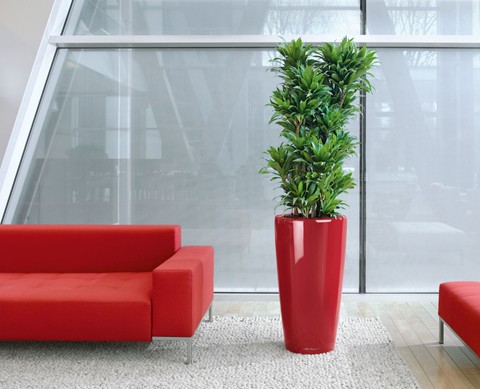
Introduction to Office Plant Care
Office plants are more than just decorative elements; they improve air quality, boost productivity, and enhance mood. However, keeping your office greenery thriving throughout the year requires a bit of know-how. Understanding how seasonal changes affect plant care is essential for maintaining a lush, vibrant workspace.
As the seasons change, so do the needs of your plants. Temperature fluctuations, changes in sunlight, and humidity levels all play a crucial role in plant health. Here’s how you can ensure your office greenery stays healthy no matter the season.

Spring: A Time for Growth
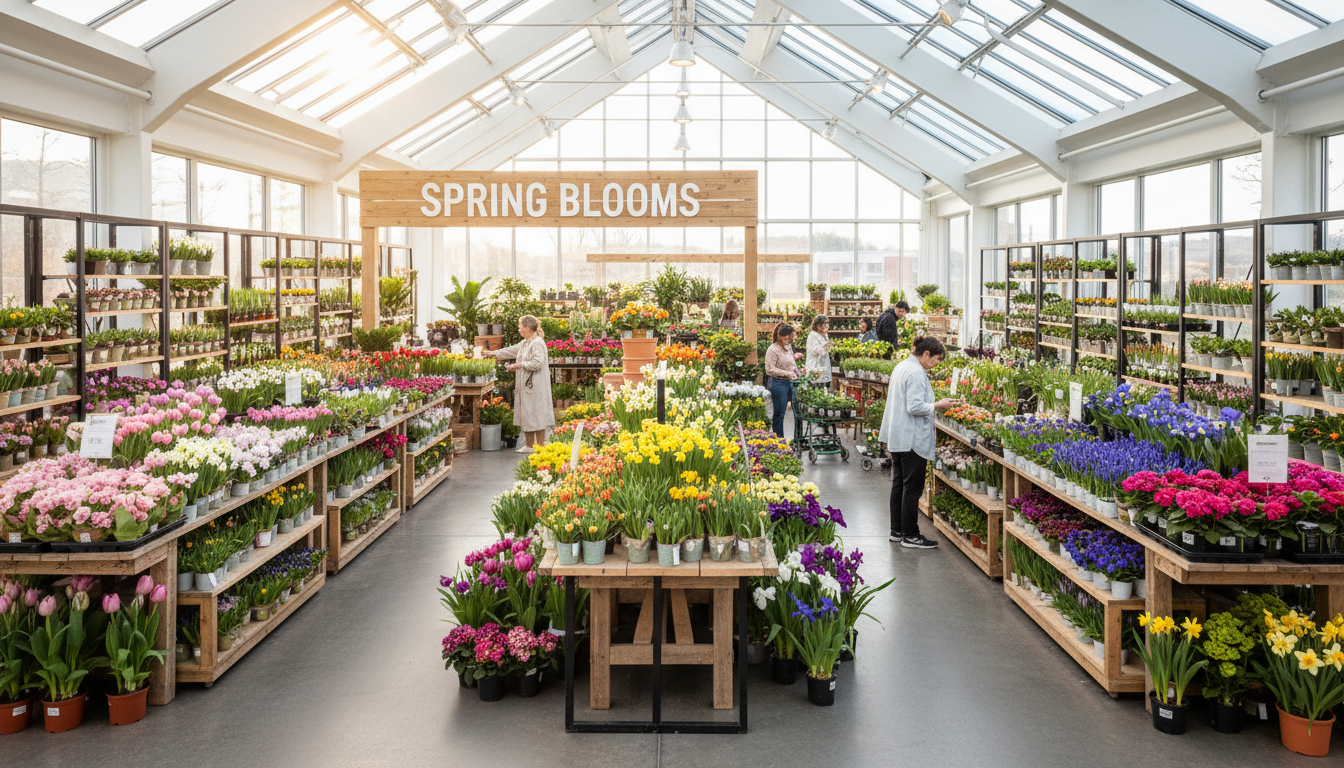
Spring is a period of renewal and growth for plants. This is when they typically begin to emerge from their dormant winter state. To support this growth, consider repotting plants that have outgrown their current containers. Fresh soil and more space can stimulate new growth.
Increase watering gradually as the days become warmer and longer, but be careful not to overdo it. Fertilize your plants to provide them with the nutrients they need to flourish. A balanced, water-soluble fertilizer works well during this season.
Spring Maintenance Tips
- Re-pot if necessary for root expansion.
- Gradually increase watering.
- Start a fertilization routine.
Summer: Managing Sunlight and Heat
Summer brings increased sunlight and higher temperatures, which can be both beneficial and challenging for office plants. Monitor the light exposure your plants receive. Some may thrive in direct sunlight, while others could suffer from leaf burn. Adjust positions as needed to prevent damage.
As temperatures rise, plants may require more frequent watering. Ensure your office plants are not sitting in waterlogged soil, as this can lead to root rot. Proper drainage is crucial during the hot summer months.
Summer Care Strategies
- Adjust plant positions to manage sunlight exposure.
- Increase watering frequency, but avoid waterlogging.
- Check for signs of heat stress.

Autumn: Preparing for Dormancy
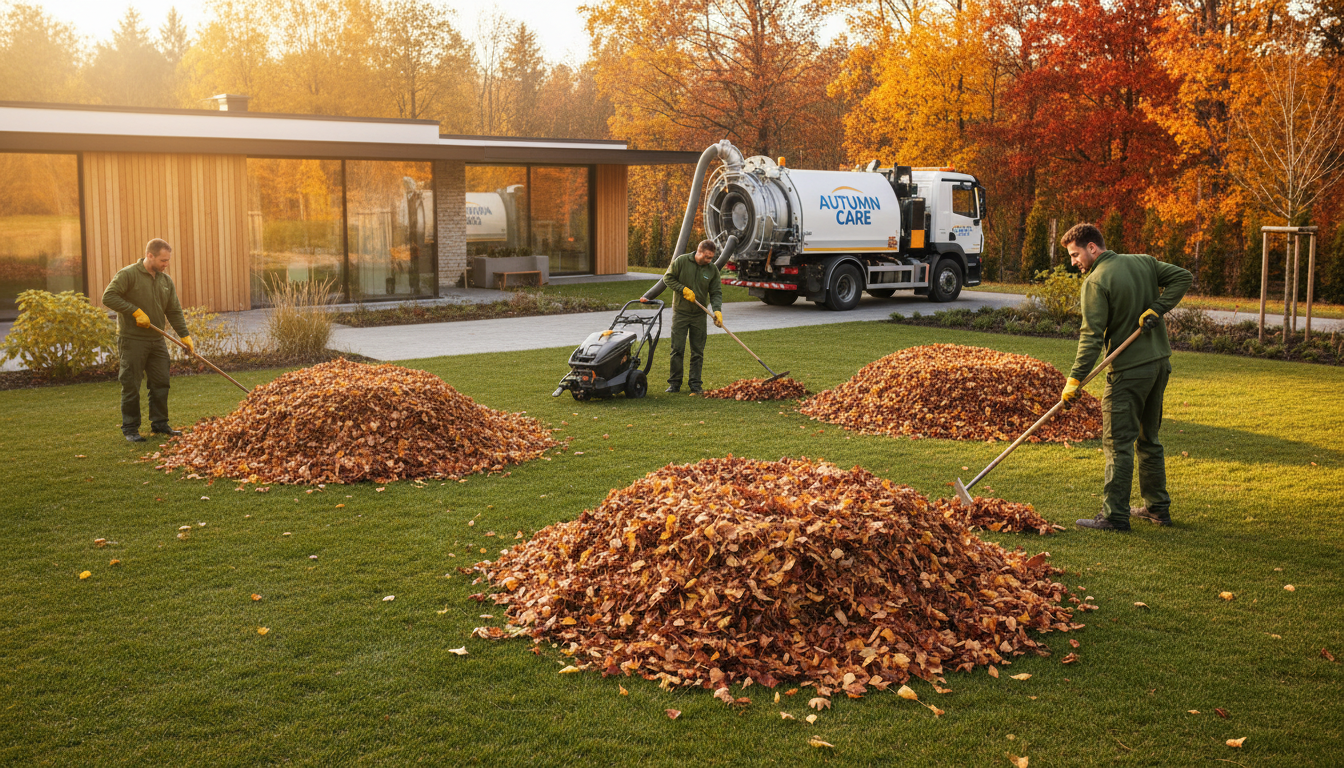
As autumn approaches, plants begin to prepare for a period of dormancy. This is a great time to prune dead or yellowing leaves to maintain the health and appearance of your office greenery. Reduce watering gradually as growth slows down.
Fertilization should also be scaled back during autumn. Plants require fewer nutrients as they enter their rest phase. This is also an ideal time to clean the leaves of your plants, removing dust and debris that may have accumulated over the summer.
Autumn Transition Tips
- Prune dead or yellowing leaves.
- Gradually reduce watering.
- Clean leaves to remove dust.
Winter: Maintaining Vitality
Winter can be a challenging time for office plants due to lower light levels and cooler temperatures. Position plants closer to windows to maximize available light, but be wary of cold drafts that can harm them.
Watering should be minimal during winter, as most plants are in a dormant state and require less moisture. Avoid fertilizing during this time, as the nutrient demands are lower. Regularly check for signs of pest infestations, which can be more common in indoor settings during winter.
Winter Care Essentials
- Place plants near windows for light exposure.
- Minimize watering and avoid fertilizing.
- Watch for signs of pests.
Conclusion: Year-Round Greenery Success
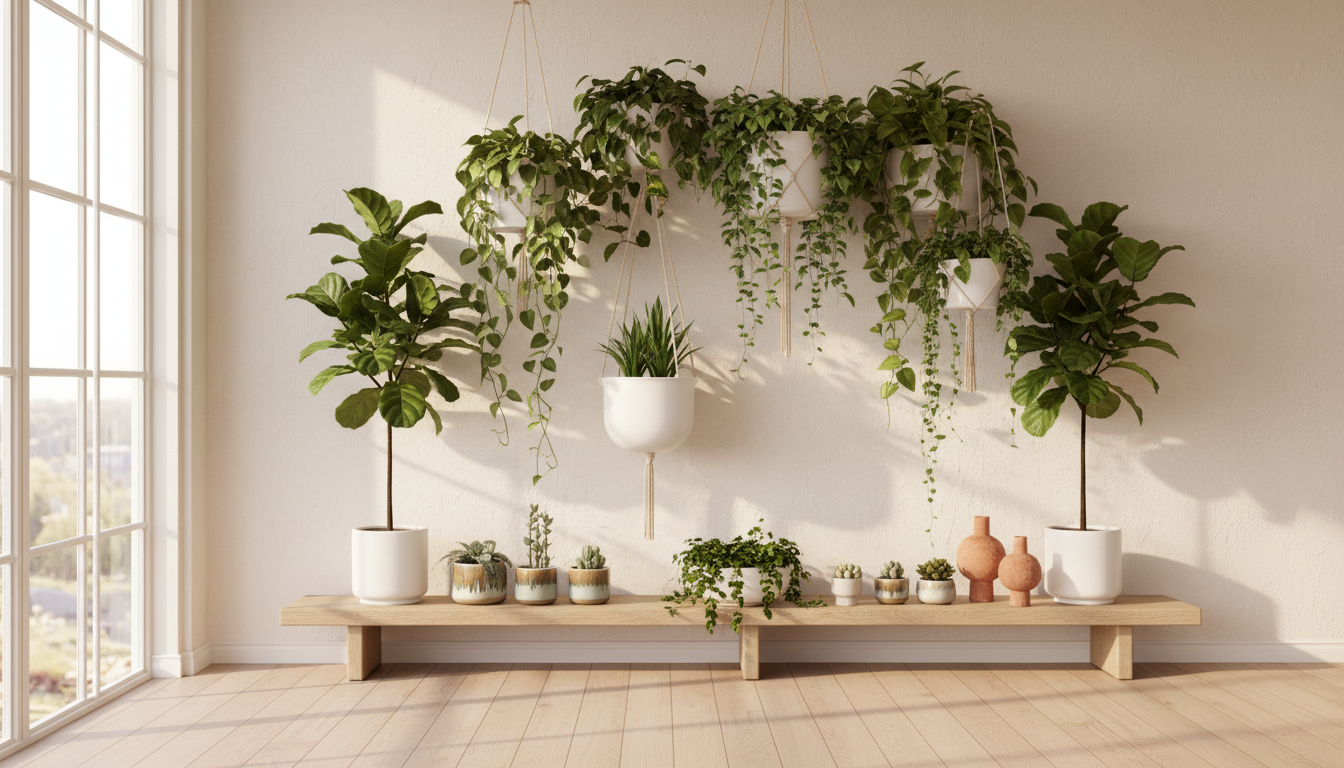
By adapting your plant care routine to the changing seasons, you can ensure your office greenery remains vibrant and healthy all year long. Remember that each plant species may have unique needs, so it's important to research and understand the specific requirements of your office plants.
With a little attention and care, your office can enjoy the benefits of lush, thriving plants that enhance the work environment and promote well-being.