Seasonal Care Tips for Office Plants in Toronto


Understanding Toronto's Climate
Toronto's climate can be quite variable, with cold winters and warm summers. This fluctuation affects how you should care for your office plants. In the winter, indoor heating can dry out the air, while the summer brings humidity. Understanding these changes is crucial for maintaining plant health throughout the year.
Adjusting your plant care routine according to the season will help keep your plants thriving. It's essential to pay attention to factors such as light, water, and humidity levels, as these can significantly influence plant health.

Winter Care Tips
Adjusting Light Levels
During the winter months, daylight hours are shorter. If your office doesn't receive enough natural light, consider moving plants closer to windows or using artificial grow lights. This helps plants continue their photosynthesis process effectively.
Managing Indoor Heating
Indoor heating can create a dry environment, which is not ideal for most plants. To combat this, use a humidifier to maintain moisture in the air, or place a tray of water near your plants. Regularly misting the leaves can also help.
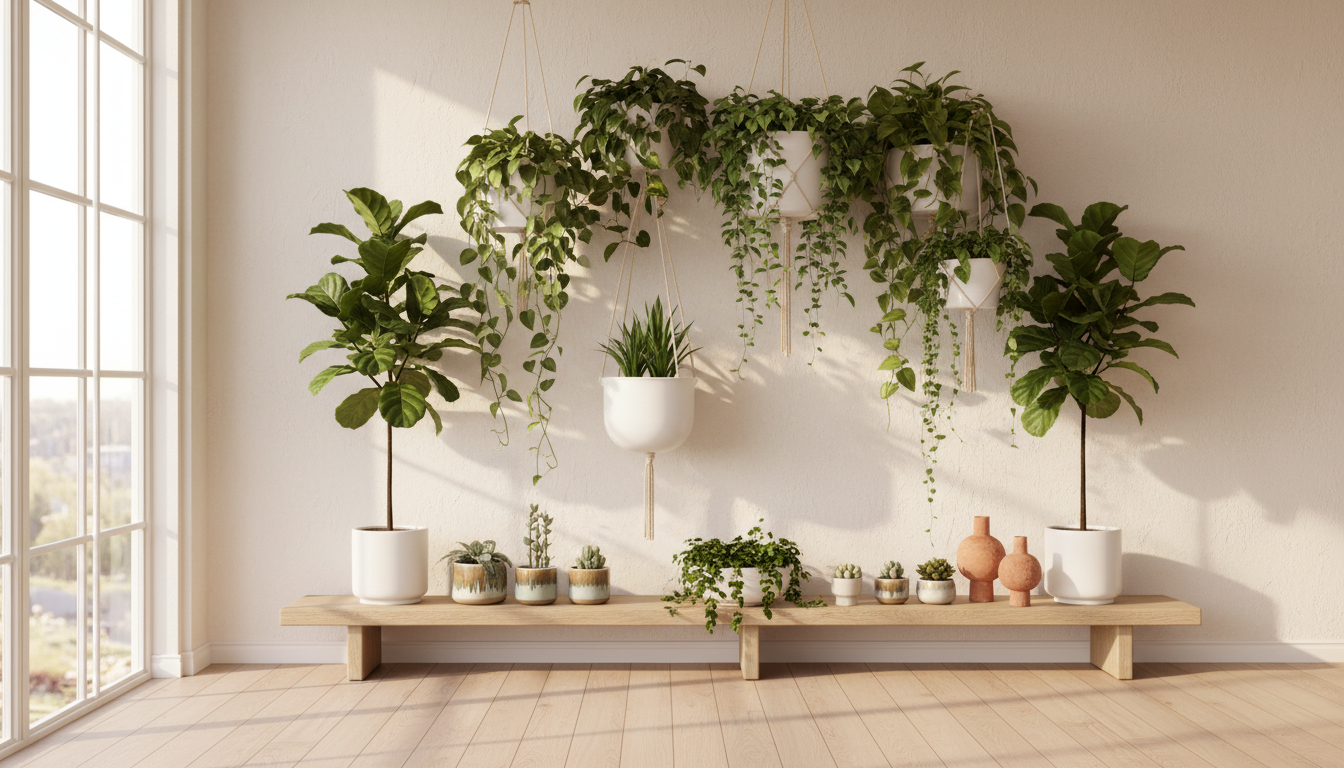
Spring Revival
Repotting and Pruning
Spring is an excellent time to repot and prune your office plants. As the days get longer, plants enter a growth phase. Repotting provides them with fresh soil and more space to grow. Pruning helps remove dead leaves and encourages new growth.
Gradual Reintroduction to Outdoor Light
If you plan to move your office plants outdoors, do so gradually. Start by placing them in a shaded area and slowly introduce them to direct sunlight to prevent shock or sunburn.
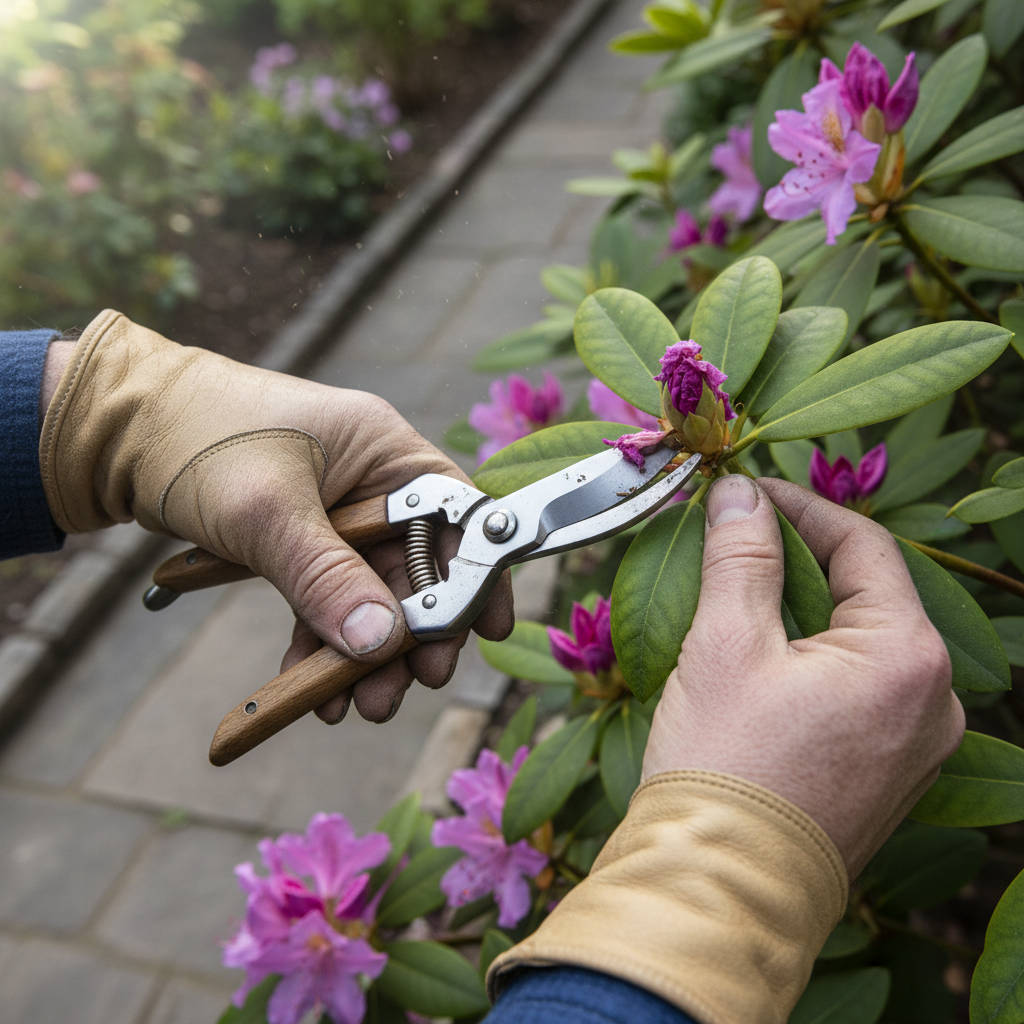
Summer Considerations
Watering and Drainage
In the summer, plants may need more water due to increased temperatures and evaporation rates. However, be careful not to overwater. Ensure that pots have adequate drainage to prevent root rot. Water early in the morning or late in the afternoon to reduce water loss.
Pest Control
Warm weather can attract pests such as aphids and spider mites. Regularly inspect your plants for signs of infestation and use natural remedies or insecticidal soap to manage any issues.
Preparing for Fall
Reducing Water and Fertilizer
As temperatures begin to drop, reduce the frequency of watering and fertilizing. Plants start to enter a dormant phase and require less nourishment. This helps them conserve energy for the colder months.
Cleaning and Maintenance
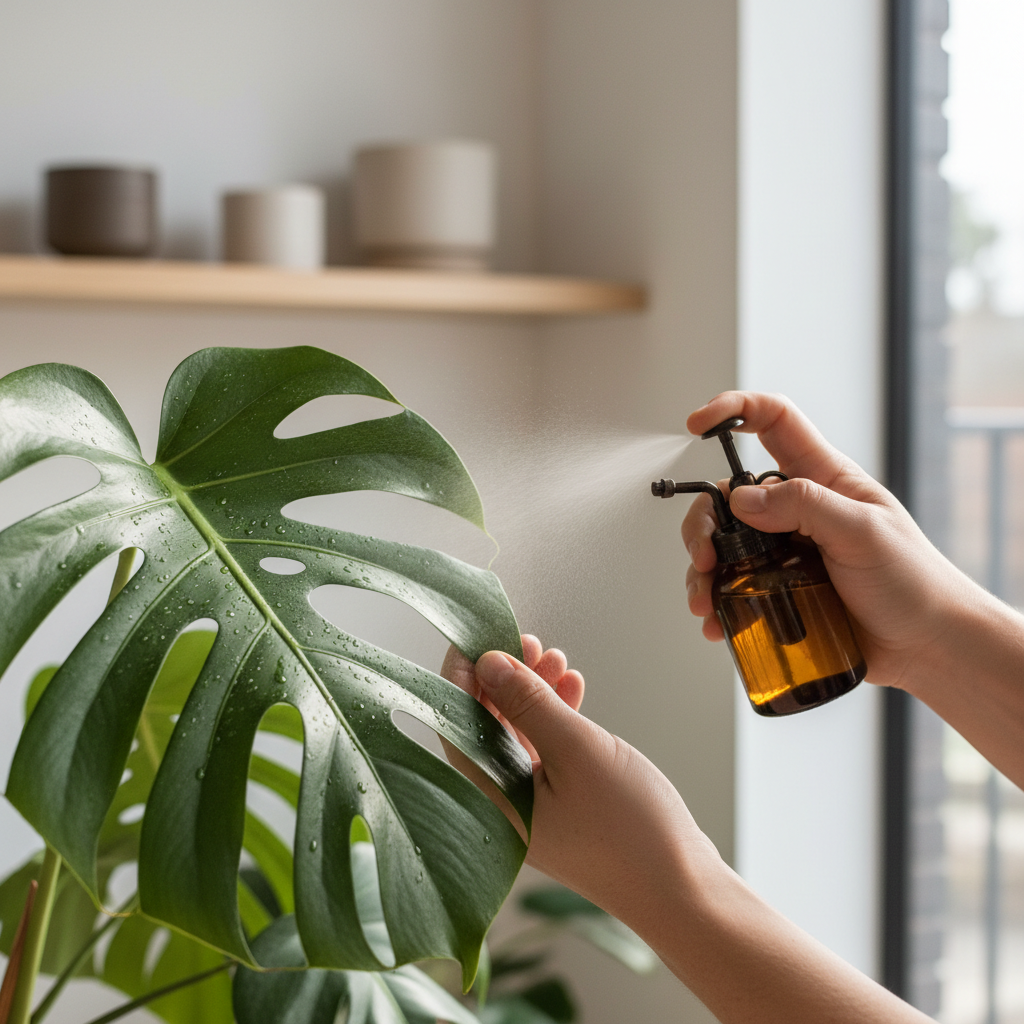
Before the winter sets in, clean your plants by wiping down leaves to remove dust and debris. This ensures they can efficiently absorb sunlight. Also, check for any damaged parts and remove them to prevent disease.
By following these seasonal care tips, you can enjoy a flourishing indoor garden all year round, despite Toronto's diverse climate. Keep your office space vibrant and healthy by adapting your plant care routine to the changing seasons.