How to Maintain Office Plants in Winter: A Comprehensive Guide


Office plants bring life to your workspace, improve air quality, and boost productivity. However, maintaining them during winter poses unique challenges. As temperatures drop and daylight shortens, it's essential to adapt your plant care routine to ensure they thrive.

Understanding Winter Challenges
Winter can be tough on office plants due to lower light levels and drier air from indoor heating. These conditions can stress plants, leading to yellowing leaves or stunted growth. Recognizing these challenges early allows you to take proactive measures to support your plants.
One significant challenge is reduced sunlight. Office plants accustomed to bright summer light might struggle with the dimmer days of winter. Additionally, heated indoor environments can dry out the air, affecting plants that thrive in humidity.
Adjusting Light Levels
To combat reduced light, consider relocating your plants closer to windows or investing in grow lights. South-facing windows generally provide the most light, which can be beneficial for sun-loving plants. Ensure that plants receive at least six hours of light daily.
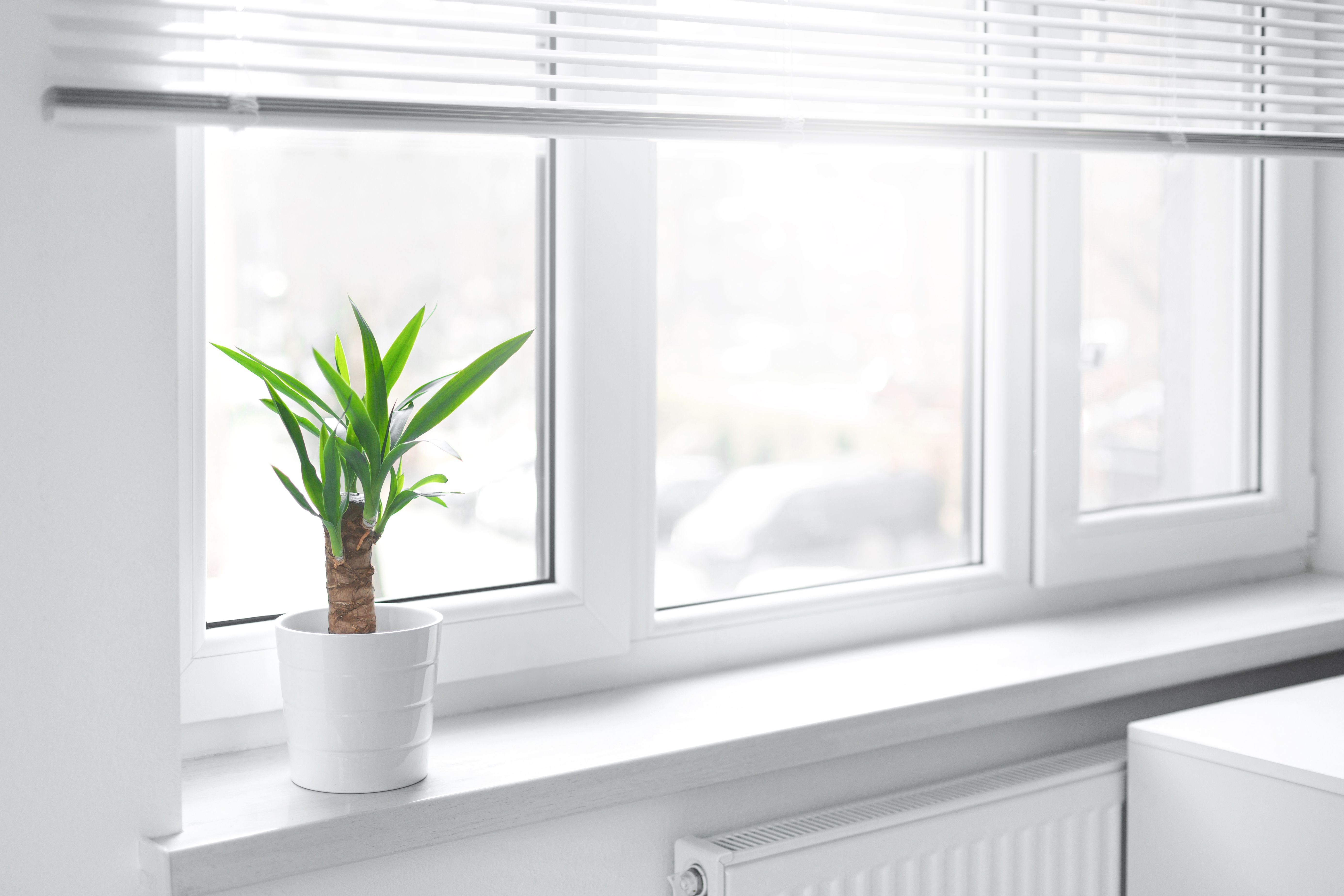
If moving plants isn't feasible, rotate them regularly to ensure all sides receive equal exposure to light. This simple adjustment can help maintain even growth and prevent plants from becoming lopsided.
Managing Temperature and Humidity
Consistent temperatures and adequate humidity are crucial for plant health. Keep plants away from cold drafts, heaters, and vents. Ideal temperatures usually range between 65°F and 75°F. For humidity, consider using a humidifier or placing a tray of water near the plants to increase moisture in the air.
Watering Wisely
Watering needs change during winter. Overwatering is a common mistake that can lead to root rot. It's important to allow the soil to dry out slightly between waterings. Check the soil moisture by sticking your finger an inch deep; if it feels dry, it's time to water.

When watering, ensure the water drains well to avoid standing water at the bottom of pots. This practice helps prevent root-related issues and promotes healthy plant growth.
Pruning and Feeding
Winter is a good time to prune dead or yellowing leaves, which can help direct energy to new growth. However, avoid heavy pruning as plants are not in their active growing phase. A gentle trim will suffice.
Regarding feeding, most plants do not require much fertilizer in the winter months. Reduce feeding frequency to avoid over-fertilization, which can harm your plants. Resume regular feeding schedules in spring when growth picks up.
Monitor for Pests
Indoor plants can sometimes attract pests like spider mites and aphids, especially when stressed. Regularly check the leaves and stems for signs of infestation. If you notice any pests, treat them promptly with insecticidal soap or neem oil.
By following these tips, you can ensure your office plants remain healthy and vibrant throughout the winter months. With a little extra care and attention, your green companions will continue to bring joy and beauty to your workspace.