Guide to Seasonal Plant Care: Keeping Your Office Green All Year Round


Understanding Seasonal Changes
Each season brings unique conditions that can affect the health of your office plants. Understanding these changes is crucial for maintaining a lush, vibrant workspace. During winter, shorter days and lower light levels can stunt plant growth, while summer often brings increased heat and sunlight.
Adjusting your care routine to fit the season is vital. In spring, plants usually enter a growth phase, requiring more water and nutrients. Conversely, in fall and winter, they might need less frequent watering as growth slows down.

Watering Techniques for Every Season
Watering is a critical component of plant care, and it should be adapted to the season. In the warmer months, plants tend to dry out faster and may require more frequent watering. However, overwatering can be just as harmful as underwatering, so it's important to find the right balance.
In cooler months, reduce watering frequency. A good rule of thumb is to check the soil moisture first. If the top inch of the soil is dry, it's time to water. Using room-temperature water can help avoid shocking the plant's roots.
Providing Adequate Lighting
Light is another essential factor that fluctuates with the seasons. During the winter, when natural light is scarce, consider moving your plants closer to windows or using artificial grow lights to supplement their needs. LED grow lights are energy-efficient and can be adjusted to provide the necessary spectrum for photosynthesis.

In the summer, be wary of placing plants in direct sunlight for extended periods, as this can lead to leaf burn. Instead, filtered light or indirect sunlight can help maintain optimal growth without causing damage.
Temperature and Humidity Control
Temperature and humidity are often overlooked but are crucial for plant health. Most office plants thrive in temperatures between 60°F and 75°F. Extreme fluctuations, especially due to air conditioning or heating, can stress plants.
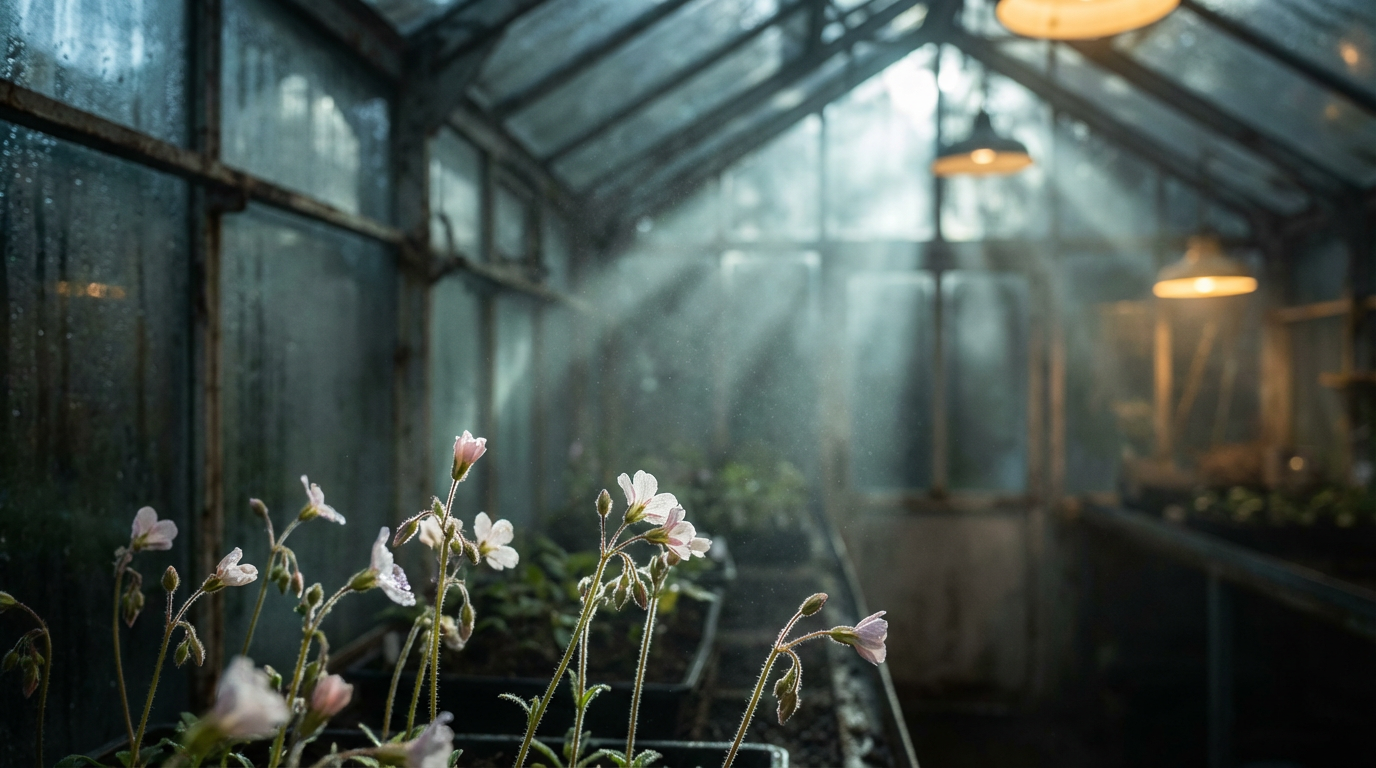
Humidity is also important, particularly for tropical plants. During dry winter months, consider using a humidifier or placing a water tray near your plants to increase moisture in the air.
Fertilization Strategies
Fertilization supports plant growth by providing essential nutrients. In spring and summer, when plants are actively growing, regular fertilization can promote robust growth. Use a balanced, water-soluble fertilizer every 4-6 weeks.
During fall and winter, reduce or eliminate fertilization, as most plants enter a dormant phase and don't require as many nutrients. Over-fertilizing during these months can lead to salt buildup and root damage.
Pruning and Maintenance
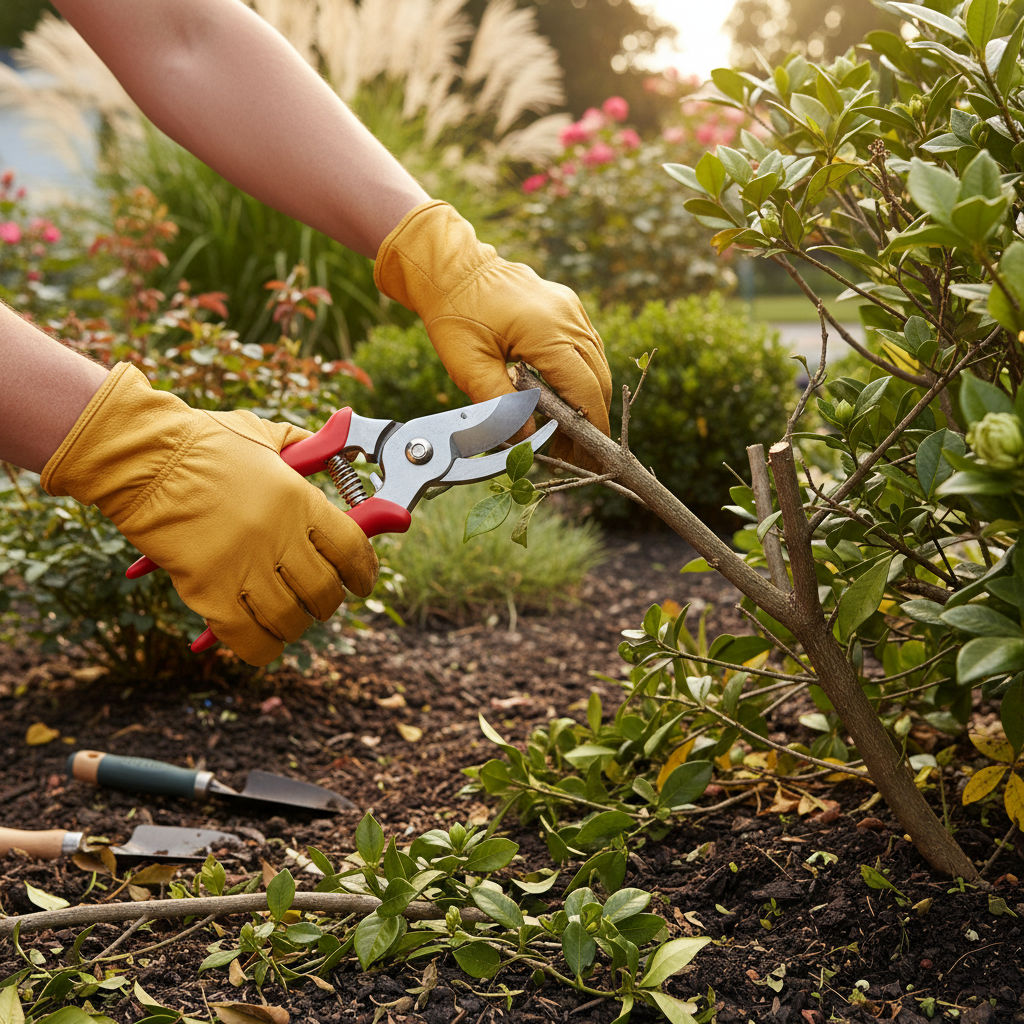
Regular pruning helps maintain the shape and health of your plants. Remove any dead or yellowing leaves to prevent pests and diseases. In spring, you might want to prune more aggressively to encourage new growth.
Cleaning leaves is also important to ensure they can photosynthesize efficiently. Dust them gently with a damp cloth every few weeks to keep them free of dust and debris.
Choosing the Right Plants
Selecting plants that are well-suited to your office environment can make seasonal care much easier. Consider low-maintenance options like snake plants or pothos, which can thrive in a variety of conditions.
For those with more experience, ferns or orchids can add a touch of elegance but may require more specific care. Assess your office's light, temperature, and humidity conditions before choosing the right plants.