Guide to Low-Maintenance Office Plants for Busy Workspaces

Introduction to Office Plants
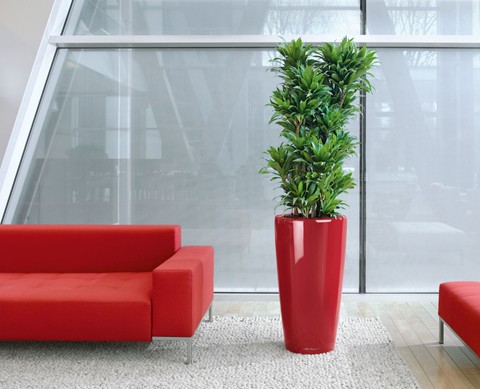
Incorporating plants into your office can transform the workspace, bringing a touch of nature indoors. Plants not only enhance aesthetic appeal but also improve air quality and boost productivity. However, maintaining them can be challenging for busy professionals.

Benefits of Low-Maintenance Plants
Choosing low-maintenance plants is ideal for busy workspaces. These plants are resilient, require minimal care, and thrive in various office environments. They offer a simple way to reap the benefits of greenery without the time commitment.
Top Low-Maintenance Plant Choices
Here are some of the best low-maintenance plants perfect for an office setting:
- Snake Plant: Known for its air-purifying qualities, the snake plant is incredibly hardy and can tolerate low light and irregular watering.
- Pothos: This plant is versatile and can grow in a variety of lighting conditions. It's forgiving if you occasionally forget to water it.
- ZZ Plant: With its glossy leaves, the ZZ plant is drought-tolerant and thrives in low-light conditions.
Placement and Care Tips
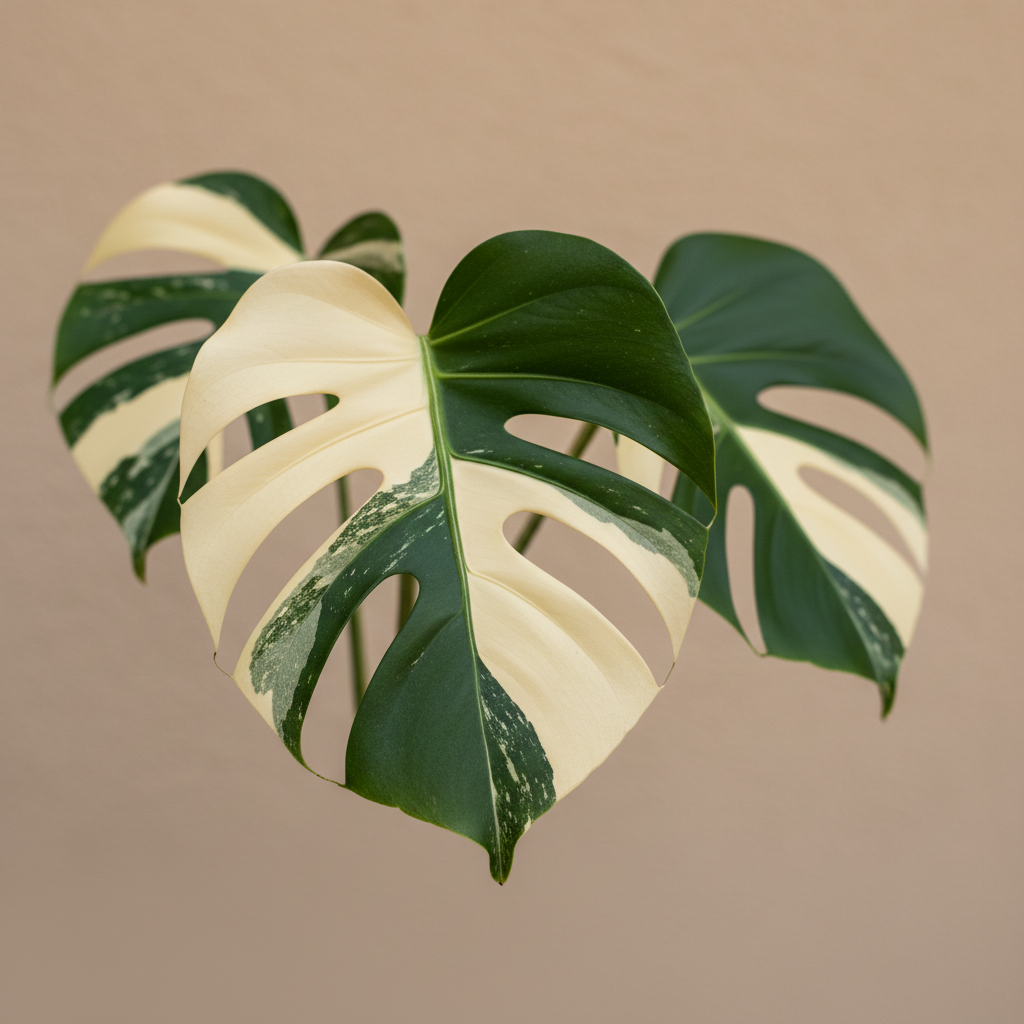
Strategic placement of your plants can enhance their growth and the ambiance of your office. Consider these tips:
- Place plants near natural light sources, but avoid direct sunlight to prevent leaf burn.
- Rotate plants regularly to ensure even growth.
- Use pots with drainage holes to prevent overwatering.
Common Mistakes to Avoid
Even low-maintenance plants can suffer from common care mistakes. Here are some pitfalls to avoid:
- Overwatering: This is the most common mistake. Ensure the soil dries out between waterings.
- Ignoring Pests: Check for signs of pests and treat promptly to prevent infestations.
- Neglecting Light Needs: While many low-maintenance plants tolerate low light, they still need some natural light to thrive.
Conclusion
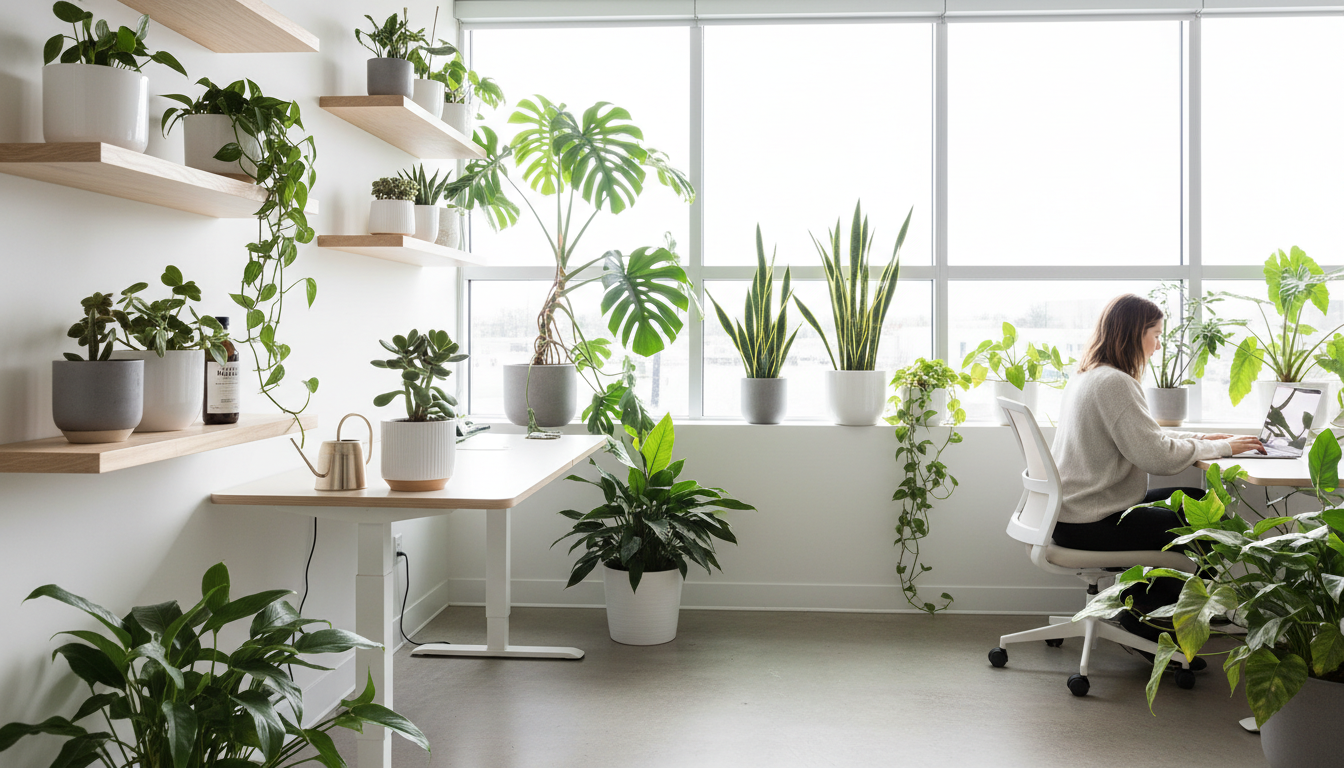
Integrating low-maintenance plants into your office can be a simple yet effective way to create a more inviting and productive workspace. By choosing resilient species and following basic care guidelines, you can enjoy the benefits of greenery without the hassle.