Debunking Myths About Indoor Plant Care in Canadian Climates

Understanding Indoor Plant Care in Canada
Indoor plants are a delightful addition to any home, offering both beauty and a touch of nature. However, caring for them in Canadian climates can seem daunting due to various myths. Let's explore these misconceptions and provide clarity for plant enthusiasts.
Myth 1: Indoor Plants Don't Need Much Light
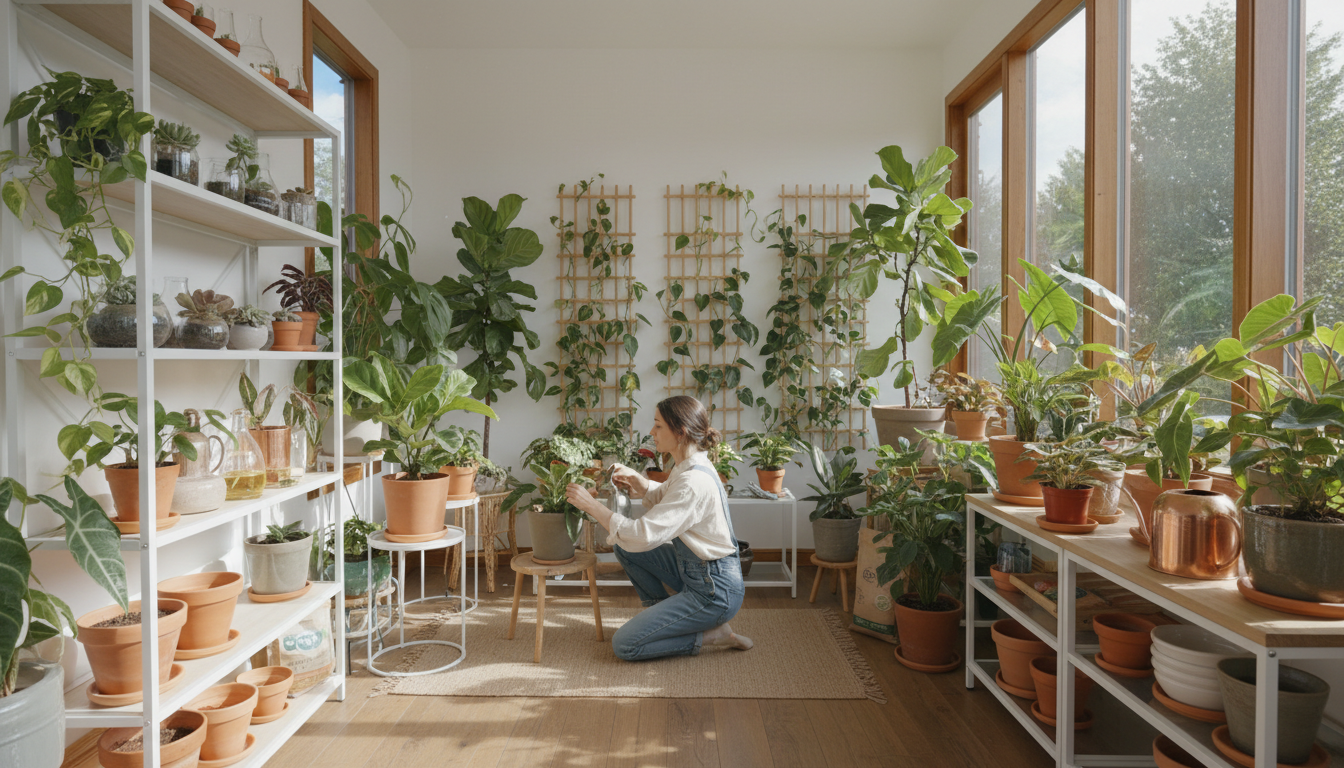
One common myth is that indoor plants can thrive in low light conditions. While some plants are more tolerant of shade, most indoor plants require adequate light to grow. It's essential to understand the specific needs of each plant species. For instance, succulents and cacti need bright, indirect light, while ferns and pothos can survive in lower light.
To ensure your plants receive sufficient light, consider placing them near windows with filtered sunlight or using grow lights during the darker winter months.
Myth 2: Frequent Watering Is Necessary
Another misconception is that indoor plants require frequent watering. Overwatering is one of the most common reasons for plant failure. Most plants prefer to dry out between waterings, and their requirements can vary significantly depending on the species and season.
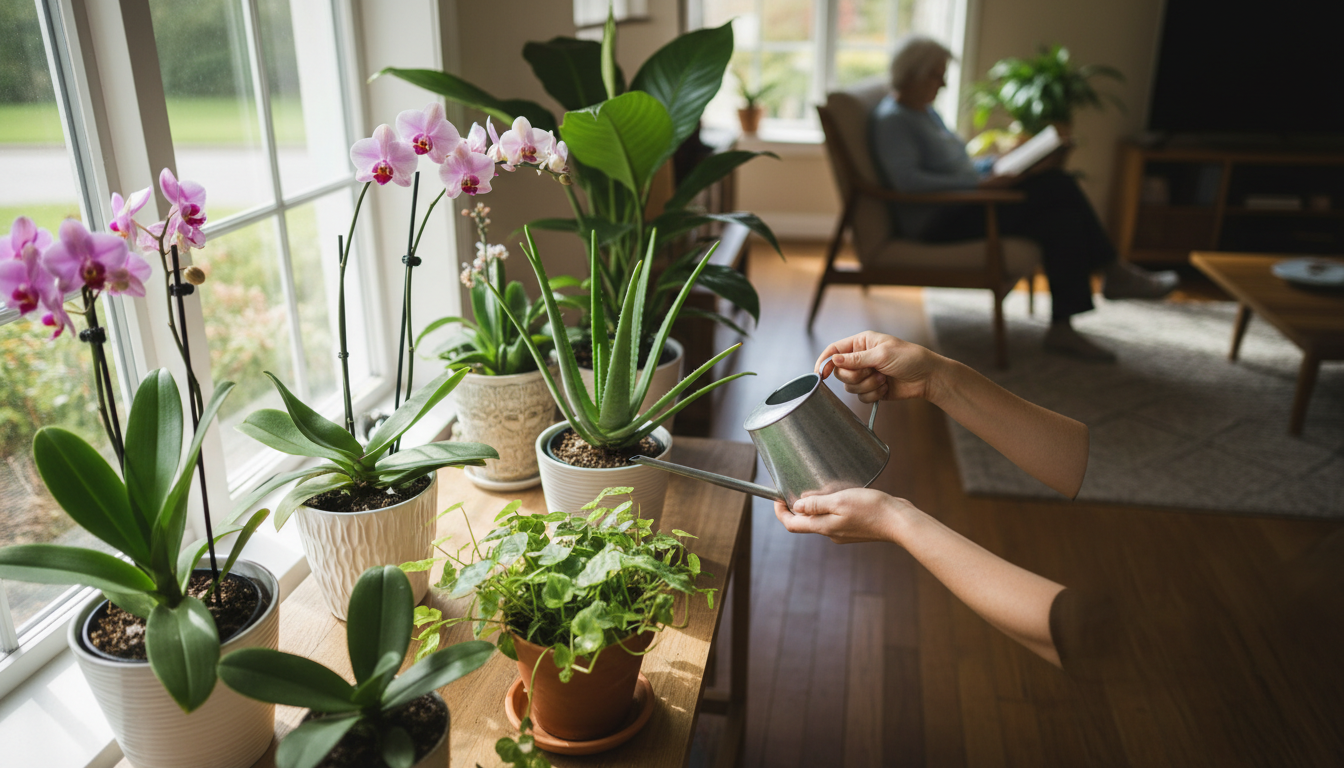
For effective watering, check the soil moisture by inserting your finger about an inch deep. If it feels dry, it's time to water. Additionally, ensure that your pots have proper drainage to prevent waterlogging.
Myth 3: All Indoor Plants Need High Humidity
While some tropical plants thrive in high humidity, not all indoor plants require it. In the Canadian climate, where indoor heating can cause dry air, you may need to adjust humidity levels for certain plants like orchids and ferns.
To increase humidity, consider using a humidifier, placing plants on a pebble tray filled with water, or grouping plants together to create a microclimate.

Myth 4: Fertilizing Year-Round Is Essential
Many believe that indoor plants need constant fertilization. In reality, most plants go dormant during the fall and winter months and require less or no fertilization. Over-fertilizing can harm plants by causing salt buildup in the soil.
It's best to fertilize during the growing season, typically spring and summer, using a balanced fertilizer according to the plant's specific needs.
Myth 5: Indoor Plants Are Pest-Free
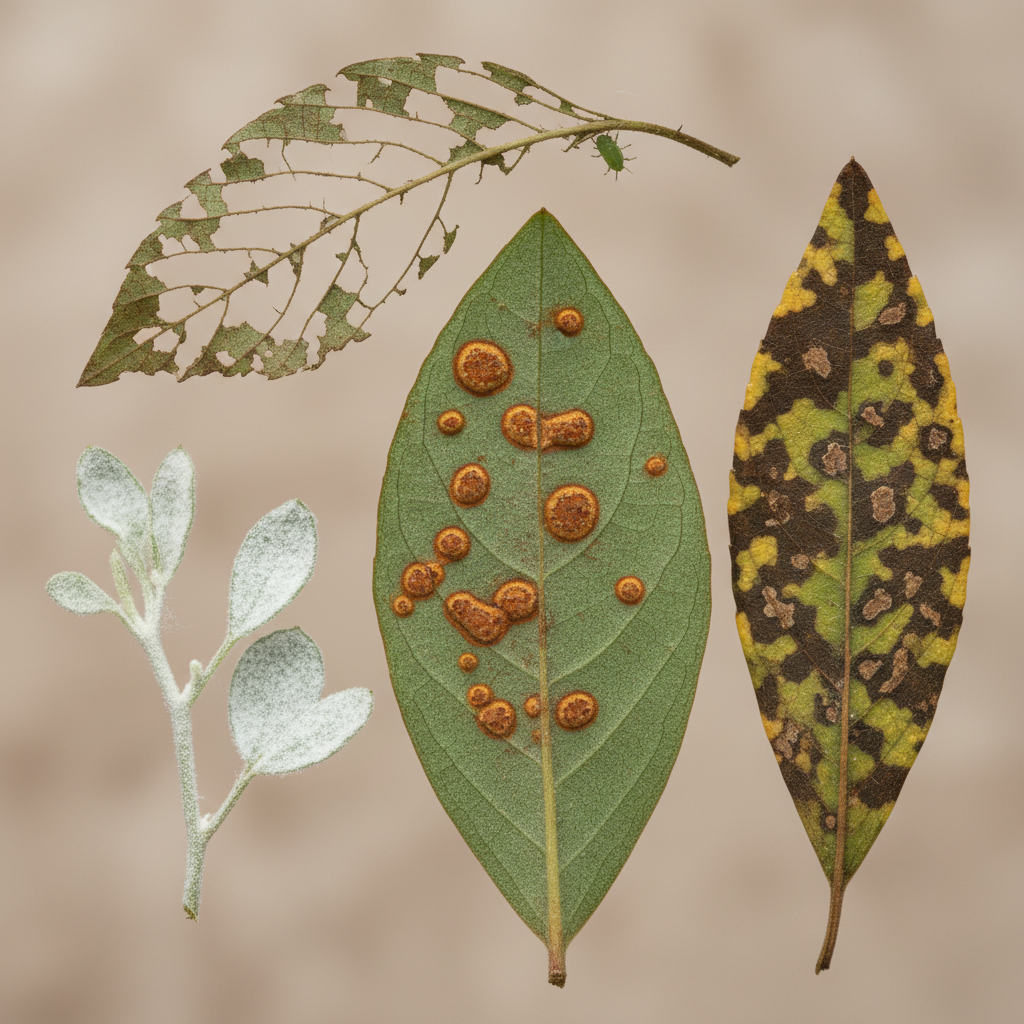
Indoor plants are not immune to pests. Common indoor plant pests include spider mites, aphids, and fungus gnats. Regularly inspecting your plants and maintaining good hygiene can help prevent infestations.
If pests do appear, natural remedies such as neem oil or insecticidal soap can effectively manage the problem without harming your plants.
Conclusion
Understanding the real needs of your indoor plants is crucial to their health and longevity, especially in Canadian climates. By debunking these myths, you can ensure that your indoor garden thrives year-round. Happy planting!