Case Study: How Greenery Transformed an Ajax Workspace

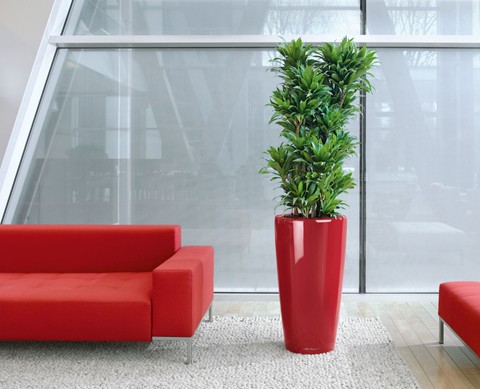
Introduction to the Transformation
Incorporating greenery into workspaces has become an increasingly popular trend, and for good reason. This case study explores how an Ajax-based company transformed its office environment by integrating plants and natural elements, significantly enhancing the workspace and boosting employee satisfaction.

The Initial Challenges
Before the transformation, the workspace in Ajax was characterized by a sterile and uninspiring environment. Employees reported feeling disconnected and uninspired, which impacted morale and productivity. The management sought a solution that could revitalize the space while also promoting well-being.
Identifying the Needs
To address these concerns, the company conducted surveys and focus groups to understand what employees wanted to see in their workspace. The key findings highlighted a desire for more natural elements, improved air quality, and spaces that encouraged creativity and collaboration.
The Greenery Solution
Based on the feedback, the company partnered with a local interior landscaping firm to design and implement a comprehensive green plan. This included the introduction of various indoor plants, living walls, and biophilic design elements strategically placed throughout the office.

Elements of the Design
The design incorporated:
- A variety of low-maintenance plants suitable for indoor environments.
- Living walls in communal areas to create a stunning visual impact.
- Natural materials such as wood and stone to complement the greenery.
Impact on Employee Well-being
The introduction of greenery had a profound impact on employee well-being. Many staff members reported feeling more relaxed and focused, attributing their improved mental state to the enhanced workspace. The presence of plants also contributed to better air quality, reducing symptoms like headaches and fatigue.
Boost in Productivity
With the improved atmosphere came a noticeable boost in productivity. Employees felt more energized and engaged, leading to higher output and quality of work. The green transformation also fostered a sense of community, as collaborative spaces became vibrant hubs for idea exchange.

Long-term Benefits
Beyond immediate improvements, the company observed long-term benefits such as reduced absenteeism and a stronger organizational culture. The positive changes reinforced the company’s commitment to sustainability and employee welfare, enhancing its reputation as an employer of choice.
Conclusion
The case study of the Ajax workspace transformation demonstrates the powerful impact of integrating greenery into office design. By creating a more inviting, healthy, and productive environment, the company not only improved the daily lives of its employees but also set a standard for future workspace innovations.